If you are thinking about a move to Sonoma County, Santa Rosa often lands at the top of the list for a reason. It offers the convenience of a larger city, the outdoor access many buyers want, and a wine-country setting that still feels practical for everyday life. If you want a clearer picture of what day-to-day living actually feels like here, this guide will walk you through the pace, amenities, housing mix, and lifestyle that shape Santa Rosa. Let’s dive in.
Santa Rosa at a glance
Santa Rosa is the county seat and urban center of Sonoma County, and the city describes itself as a major hub for trade, government, commerce, medical services, retail, banking, technology, and employment in the North Bay. It is also about 55 miles north of San Francisco, which helps explain why many people see it as a place with both regional access and its own distinct identity. According to Census QuickFacts for Santa Rosa, the city had an estimated 177,524 residents in 2024.
That scale matters when you are choosing where to live. Santa Rosa is large enough to offer a broad range of services and amenities, but it still has neighborhood pockets, outdoor spaces, and local gathering spots that help daily life feel more grounded and connected.
Daily life in Santa Rosa
One of the biggest draws of living in Santa Rosa is balance. You can get many of the services you want in one city, including healthcare, shopping, recreation, and transit connections, without feeling like you are in a dense urban core every day. That makes it appealing to a wide mix of buyers, from first-time homeowners to relocation clients looking for more room and a different pace.
The city also reflects a broad mix of households and backgrounds. Census QuickFacts estimates 2.54 people per household, a median household income of $97,410, and 34.3% of residents speaking a language other than English at home. In practice, that translates into a city with a varied day-to-day rhythm, where local life includes work commutes, family routines, outdoor recreation, dining, and community events.
Parks and outdoor access
If you enjoy spending time outside, Santa Rosa gives you plenty of options close to home. The city highlights 66 parks, three community centers, two pools, a golf course, and other recreation amenities. That kind of park system can have a real impact on everyday quality of life, especially if you want places to walk, exercise, picnic, or simply break up the workweek.
Several destinations stand out as part of local life. Howarth Park is a 138-acre community park with Lake Ralphine, boating and fishing, trails, picnic areas, playgrounds, courts, and rides. Spring Lake Regional Park adds a 320-acre setting with trails, a summer lagoon, camping, boating, fishing, and picnic areas.
On the eastern edge of the city, Trione-Annadel State Park is a major trail destination and a strong example of how quickly Santa Rosa can connect you to open space. For many residents, that access is not just a weekend bonus. It is part of the regular lifestyle.
Getting around the city
Santa Rosa offers a mix of car travel, transit, and active transportation options. The city’s transportation pages reference Highway 101 and Highway 12 as key routes, which is useful if you commute within Sonoma County or travel more broadly through the region. For many buyers, that road access is part of what makes Santa Rosa feel connected without being too remote.
Transit is another practical part of the picture. According to the city, CityBus and SMART connections link major points in town, including weekday bus service between the Transit Mall and the Downtown SMART Station, as well as service tied to the Santa Rosa North SMART Station and Coddingtown Transit Hub.
If you prefer to walk or bike when possible, Santa Rosa has been investing in that side of daily life too. The city notes that local climate, topography, trails, parks, and the city core support walking and bicycling, with ongoing projects that expand access such as Santa Rosa Creek trail improvements and the Southeast Greenway connection to Spring Lake.
Downtown life and local culture
Santa Rosa is not only about suburban convenience. Downtown adds a more social and walkable experience, especially around gathering spaces, dining, events, and culture. That can be a meaningful factor if you want a city where errands, dinner plans, and local events are not all spread far apart.
The Downtown Station Area Specific Plan emphasizes places like Courthouse Square, Railroad Square, and the city’s transit hubs. These areas help shape the feel of central Santa Rosa, where you can find walkable shopping, dining, and community activity.
The city also notes that downtown has been a designated arts district since 2006. Cultural anchors include Courthouse and Railroad Squares, Juilliard Park, Luther Burbank Home and Gardens, and the Sonoma County Museum. Seasonal traditions also matter, and downtown farmers markets add another layer to the city’s routine social life.
Food, wine, and everyday lifestyle
Living in Santa Rosa means being in the middle of a region known for food and wine, but the lifestyle is not limited to visitors. The city describes Santa Rosa as being at the heart of Sonoma County, one of the world’s leading wine regions, with the surrounding area including over a hundred wineries and vineyards. Sonoma County Tourism counts 425-plus wineries and 500-plus eateries countywide.
That context shapes local life in a practical way. You are not just near tasting rooms and destination dining. You are living in a place where food culture, local agriculture, craft beverages, and regional hospitality are part of the everyday environment.
Visit Santa Rosa also describes the city as a crossroads of Northern California wine country and craft beer. For buyers relocating from outside the area, that often means the lifestyle feels active and interesting year-round, with options that range from casual outings to more polished wine-country experiences.
Housing options in Santa Rosa
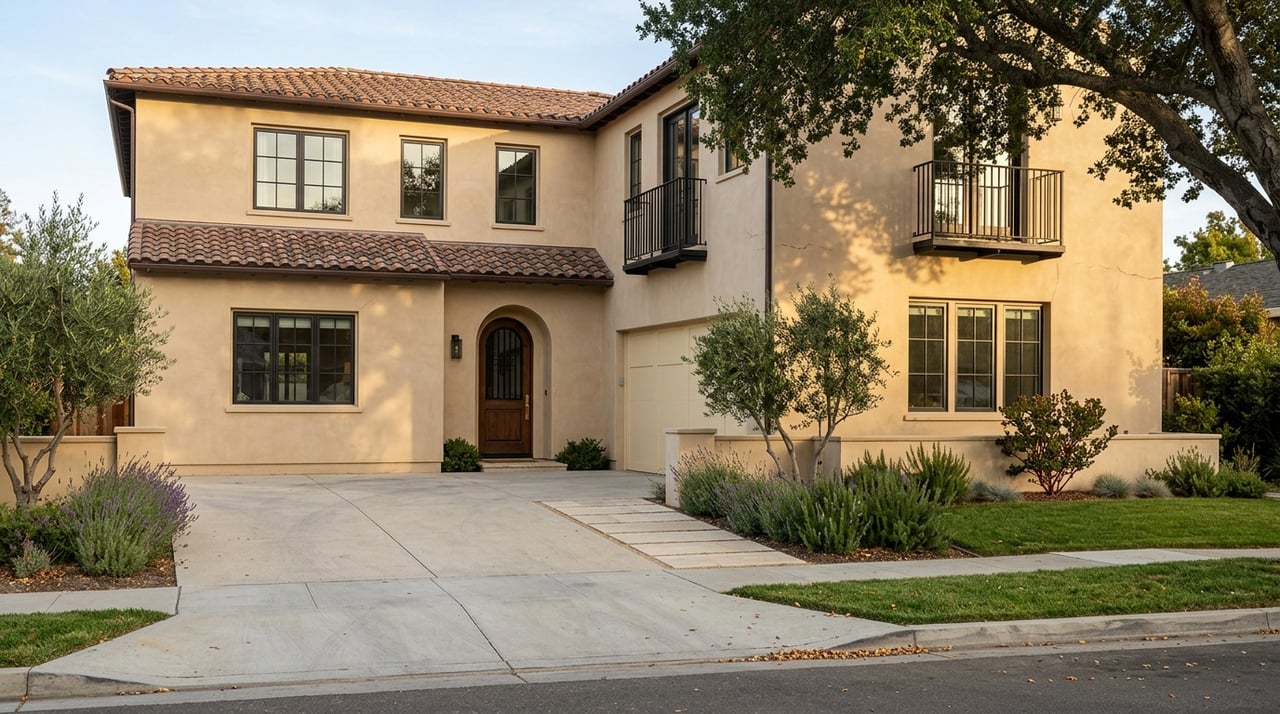
Santa Rosa has a varied housing picture, which is important if you are trying to match a home search to your budget, goals, or long-term plans. According to Census QuickFacts, the median value of owner-occupied homes is $685,000. That figure gives useful context, but the city’s housing stock and planning framework also suggest a range of living options.
Santa Rosa allows accessory dwelling units and junior accessory dwelling units under city rules, and city planning materials note that manufactured homes are allowed the same as other single-family dwellings under the zoning code. The city also offers density bonuses for qualifying multifamily projects, and the downtown station-area plan supports more residential intensity around transit.
For buyers, this means Santa Rosa is not a one-note housing market. Depending on where you look and what type of property fits your goals, you may find single-family homes, multifamily opportunities, homes with ADU potential, and areas that align with a more urban or transit-oriented lifestyle.
Climate and seasonal feel
Santa Rosa has a Mediterranean climate, with warm, dry summers and cool, wet winters. For many people, that climate is part of the appeal because it supports outdoor living through much of the year. It also fits the broader Sonoma County lifestyle, where time outside often becomes part of your regular routine.
At the same time, climate here comes with practical considerations. The city maintains wildfire-ready resources, evacuation-zone guidance, and red-flag warning information. If you are considering a move, it is smart to understand both the benefits of the local environment and the importance of staying informed about seasonal conditions.
What stands out most about living here
Santa Rosa often appeals to people who want options. You can enjoy a city with established infrastructure and services, while still having quick access to parks, trails, downtown gathering spaces, and the broader Sonoma County landscape. That combination is hard to overlook if you want both convenience and lifestyle value.
It also stands out as a place with multiple ways to live. Some buyers are drawn to proximity to downtown and transit. Others care more about access to parks, room to spread out, or being close to the food and wine culture that defines so much of the region.
In short, living in Santa Rosa tends to feel like a blend of practicality and place. You get everyday essentials, regional access, and a setting that encourages you to enjoy Northern California a little more fully.
If you are exploring a move to Santa Rosa or comparing communities across Sonoma County, Steve Bowne can help you think through the lifestyle, property types, and local market factors that matter most to your goals.
FAQs
What is daily life like in Santa Rosa, California?
- Daily life in Santa Rosa is shaped by a mix of city convenience, outdoor recreation, local dining, downtown activity, and regional access within Sonoma County.
How big is Santa Rosa, California?
- Santa Rosa had an estimated population of 177,524 in 2024, making it the urban center and county seat of Sonoma County.
What outdoor activities are available in Santa Rosa?
- Santa Rosa offers 66 parks, community centers, pools, a golf course, trails, and major outdoor destinations such as Howarth Park, Spring Lake Regional Park, and Trione-Annadel State Park.
Is Santa Rosa, California walkable or bike-friendly?
- Santa Rosa supports walking and bicycling through its city core, trails, parks, and active transportation projects, with ongoing improvements such as Santa Rosa Creek trail connections.
What is the housing market like in Santa Rosa?
- Santa Rosa has a varied housing mix, and Census QuickFacts lists the median value of owner-occupied homes at $685,000, with city policies that also allow ADUs, JADUs, and a range of residential development options.
What is the climate like in Santa Rosa, California?
- Santa Rosa has a Mediterranean climate with warm, dry summers and cool, wet winters, along with local wildfire-preparedness resources that residents should understand.
Is Santa Rosa close to San Francisco?
- Yes. City information places Santa Rosa about 55 miles north of San Francisco.