Dreaming about a few quiet acres in Mendocino County? Rural property can offer space, privacy, and a very different pace of life, but it also asks more of you before you buy. The right parcel can be a great fit, while the wrong one can come with access, water, septic, zoning, or fire-readiness issues you did not expect. This guide will walk you through the key checks so you can ask better questions, protect your contingencies, and move forward with more confidence. Let’s dive in.
Why rural property needs extra due diligence
Buying rural property in Mendocino County is rarely as simple as liking the home or the view. County rules, site conditions, and utility systems can vary a lot from one parcel to the next, even within the same general area.
A good starting point is Mendocino County Planning and Building Services. The Planning Division can help confirm zoning, General Plan designation, applicable code sections, known violations, and overlays through a Letter of Zoning. That matters because the county uses separate inland and coastal zoning codes, and overlays such as the Coastal Zone, floodplain, or Williamson Act can affect what you can do with the property.
Start with zoning and overlays
Before you get too far into a purchase, confirm exactly what rules apply to the parcel. Listing remarks may give you a general idea, but county records are what matter when you are evaluating use, buildability, and future plans.
What to verify with the county
Ask county staff about:
- Current zoning
- General Plan designation
- Whether the parcel is in the Coastal Zone
- Floodplain or other overlays
- Known violations
- Prior permits and permitted uses
If you are buying with plans to build, expand, remodel, or change how the property is used, these details are especially important. A parcel in the Coastal Zone may be subject to different rules than an inland parcel, so it is worth confirming early.
Access can make or break a rural purchase
In Mendocino County, access is one of the biggest rural property questions. A parcel may look straightforward on a map, but legal access, road type, maintenance responsibility, and physical road condition all deserve careful review.
The county distinguishes between public roads, private roads, and roads that may have a public easement but still be considered private. That distinction matters because it can affect maintenance, improvements, and whether access meets county standards for future development.
Key road and easement questions
Before removing contingencies, verify:
- Whether the parcel has legal access
- Whether the recorded access creates a true route to a public road
- Whether the road is public, private, or private with a public easement
- Who is responsible for maintenance
- Whether there is adequate turnaround space and emergency access
If an access road does not meet applicable standards, future development may require road improvements along the full access route until county intent is met. That can affect both cost and feasibility, especially on larger or more remote parcels.
Fire-safe access matters too
Road access is not just about convenience. It also affects wildfire readiness and whether emergency vehicles can reasonably reach the site during fire season or winter weather.
Mendocino County road standards incorporate CAL FIRE fire-safe regulations. Those standards address things like fire equipment access, road signage, emergency water supply reserves, and fuel modification. In practical terms, driveway and road design can affect both buildability and long-term safety.
What to look for on site
As you evaluate a rural property, pay attention to:
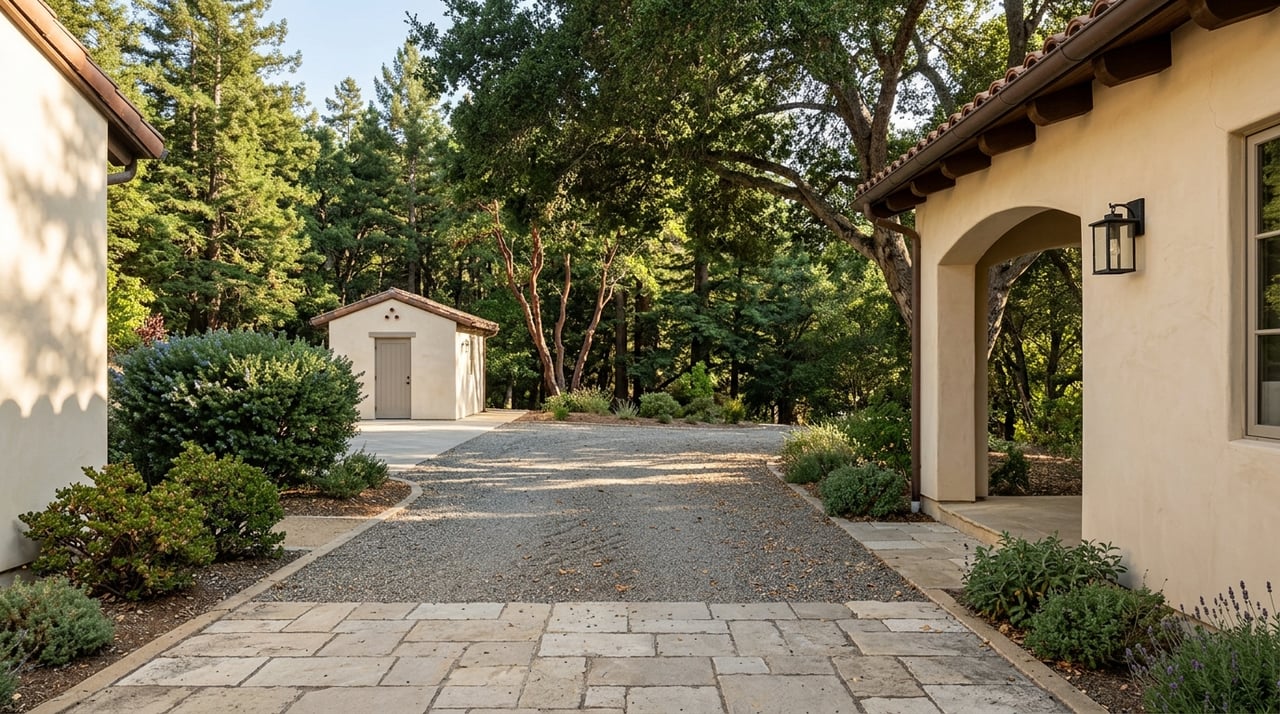
- Driveway width and condition
- Curves, grade, and visibility
- Turnaround areas
- Vegetation near access roads
- Whether emergency vehicles appear able to reach the home site
If the property already has structures, wildfire readiness also includes home hardening and defensible space. CAL FIRE notes that the first five feet around a structure is especially important.
Water and septic need careful review
Many rural properties in Mendocino County rely on private wells and on-site sewage systems. That means you are not just buying land or a house. You are also buying the function and condition of basic infrastructure.
Mendocino County Environmental Health oversees water wells and on-site sewage systems. Its land-use resources include septic permits, water well application forms, special permit area information, coastal groundwater development guidance for coastal parcels, and transfer of ownership forms for land-use sites.
Septic questions to answer early
With septic, do not stop at asking whether a system exists. You want to know whether the permit is current, whether the system supports the intended use, and whether there is a workable replacement area if needed.
The county notes that it no longer sends annual septic-system renewal notices for construction permits, so property owners are responsible for keeping permits current and in good standing. That makes permit status an important part of your due diligence.
The county’s plot-plan requirements also show how detailed septic review can be. Site plans may need to show slopes, soil tests, property lines, nearby water sources within 100 feet of the septic system and replacement area, structures, roads, driveways, underground utilities, and easements.
Well quantity and quality both matter
A well is not just about whether water comes out of the tap on showing day. You want to understand both quantity and quality, especially in a rural county where seasonal performance can matter.
Mendocino County Environmental Health uses a water quantity report, and its inland testing guidance includes sustained-yield testing and special timing for some shallow wells during late summer or early fall. That can be important if you want a more realistic picture of dry-season performance.
For water quality, private well testing should go beyond basic assumptions. A smart review looks at whether the well produces enough water through the dry season and whether the water is safe to drink.
Do not overlook power and utilities
Some Mendocino County rural parcels have strong grid service, while others may be off-grid or have weaker utility connections. That difference can shape your budget, comfort, and future plans.
If the parcel is off-grid or weak-grid, ask what the current power setup is and what permitted backup options exist. County resources point buyers to backup-power information and generator-permitting resources, which makes this another area worth verifying before closing.
Utility items to review
Make sure you understand:
- Current electrical service or off-grid setup
- Backup power options
- Whether generator permits are needed or already in place
- Utility easements affecting the site
- Whether the property’s systems support your intended use
This is especially important if you plan to work from home, add equipment, or use the property seasonally and want reliable systems year-round.
Build your offer around verification
With rural property, the offer strategy should reflect the parcel’s complexity. A broad assumption that everything works as expected can expose you to avoidable risk.
In practice, a strong rural due-diligence approach often includes review of title and easements, access and road conditions, septic permits and site evaluation, well quantity and quality, boundary or survey questions when needed, and zoning or overlay confirmation with county staff.
Common rural contingencies to consider
Depending on the property, buyers often need time to verify:
- Title matters and recorded easements
- Legal access and route to a public road
- Road type and maintenance obligations
- Septic permit status and replacement area
- Well yield and drinking-water quality
- Coastal Zone, floodplain, or other overlays
- Power, generator, solar, or storage planning
The exact mix will depend on the parcel, but the theme is simple: verify first, assume nothing.
Assemble the right local team
Rural purchases usually involve more moving parts than a typical in-town transaction. The process often works best when you have local professionals who understand the county’s systems and can help you evaluate the property clearly.
That team may include your buyer’s agent, title and escrow professionals, a surveyor, a septic professional, a well contractor, a civil or road contractor, and county Planning or Environmental Health staff. Each plays a different role in helping you understand what you are actually buying.
For many buyers, this is where experienced guidance makes a real difference. Clear communication, practical sequencing, and local contacts can help you focus on the issues that matter most for the specific parcel.
A practical rural buying checklist
If you are considering rural property in Mendocino County, keep this short checklist in mind:
- Confirm zoning and overlays with county staff
- Ask about prior permits and known violations
- Verify legal access and recorded easements
- Identify whether roads are public or private
- Review road condition, maintenance, and fire-safe access
- Check septic permit status and replacement area
- Test well quantity and drinking-water quality
- Understand electric service and backup-power options
- Review boundary or survey questions if needed
- Keep contingencies in place until key items are verified
Rural property can be incredibly rewarding, but it pays to go in with your eyes open. The more clearly you understand access, utilities, land-use rules, and site conditions, the better positioned you are to make a confident decision.
If you are exploring acreage, country homes, off-grid property, or land in Mendocino County, working with someone who understands the local process can save time and help you avoid expensive surprises. When you’re ready to talk through a property, connect with Steve Bowne for grounded, local guidance.
FAQs
What should you check first when buying rural property in Mendocino County?
- Start with zoning, overlays, prior permits, known violations, and whether the parcel is in the Coastal Zone by checking with Mendocino County Planning and Building Services.
Why is road access so important for Mendocino County rural property?
- Access affects legal use, future development, maintenance responsibility, and whether emergency vehicles can reach the property during fire season or winter weather.
How do septic permits affect a rural property purchase in Mendocino County?
- Septic permits help show whether the system is current, in good standing, and suitable for the property’s intended use, including whether there is a workable replacement area.
What well testing should you consider for a Mendocino County rural home?
- You should look at both water quantity and water quality, including sustained-yield testing where relevant and drinking-water testing to better understand dry-season performance and safety.
Does the Coastal Zone change rural property rules in Mendocino County?
- Yes. Mendocino County uses separate inland and coastal zoning codes, so a parcel in the Coastal Zone may be subject to different rules and review standards.
Who can help you evaluate a rural parcel in Mendocino County?
- A strong team may include your real estate agent, title and escrow professionals, county Planning or Environmental Health staff, and licensed specialists such as surveyors, septic professionals, well contractors, or road contractors.